We focus on developing advanced materials and processes for adsorption or catalysis and understanding phenomena occuring on their surface
From Atomic-Scale Catalyst Design to Integrated Adsorption and Catalysis Processes
Designing active sites atom by atom, and carrying that design through to the process that puts them to work
Near-Atomic Scale Design
We aim to precisely design the structure of adsorbents and heterogeneous catalysts with atomic precision. Particularly, we are interested in distinct surface properties observed from low-nuclearity atoms.
- CO₂ capture
- CO₂ conversion to methane, methanol, ethanol, and fuels
- Valorization of biomass-derived chemicals
Research/01_illustration_new.jpg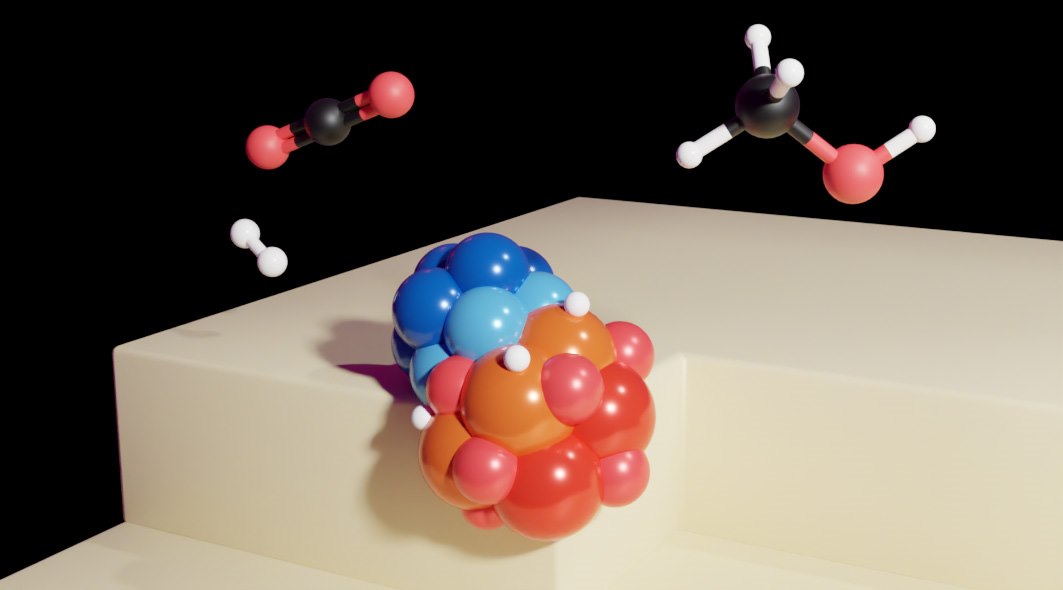
01_stem_cu-zrox_new.jpg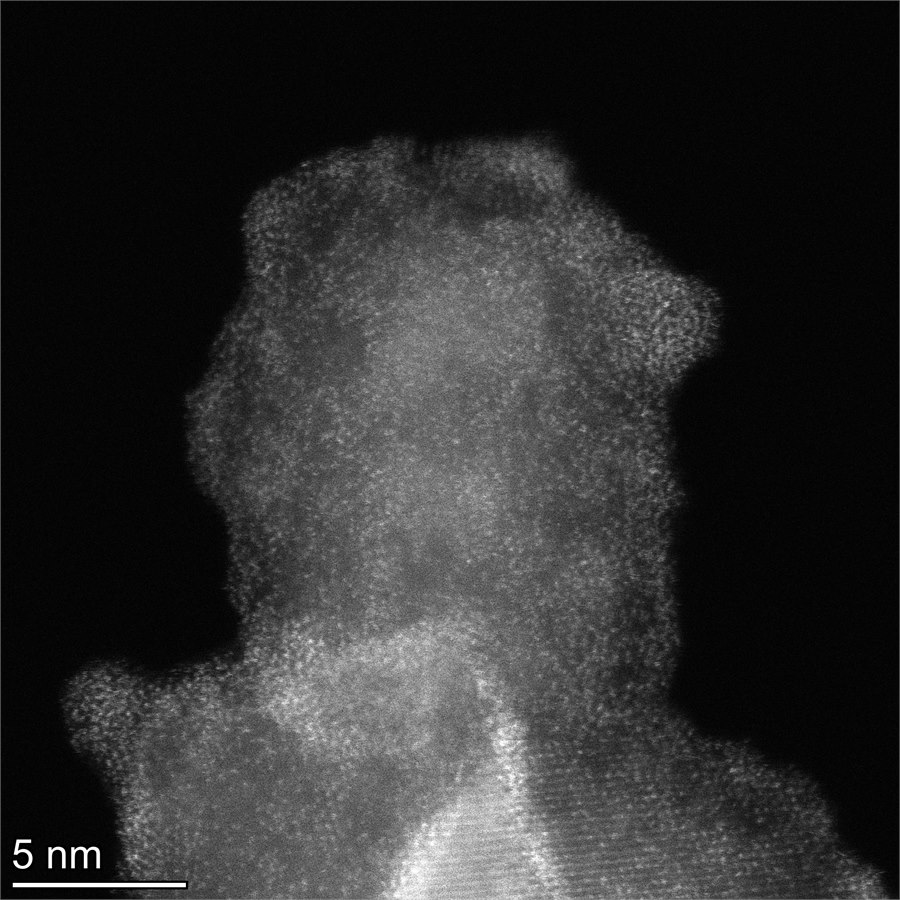
01_stem_cu-zrox_2_new.jpg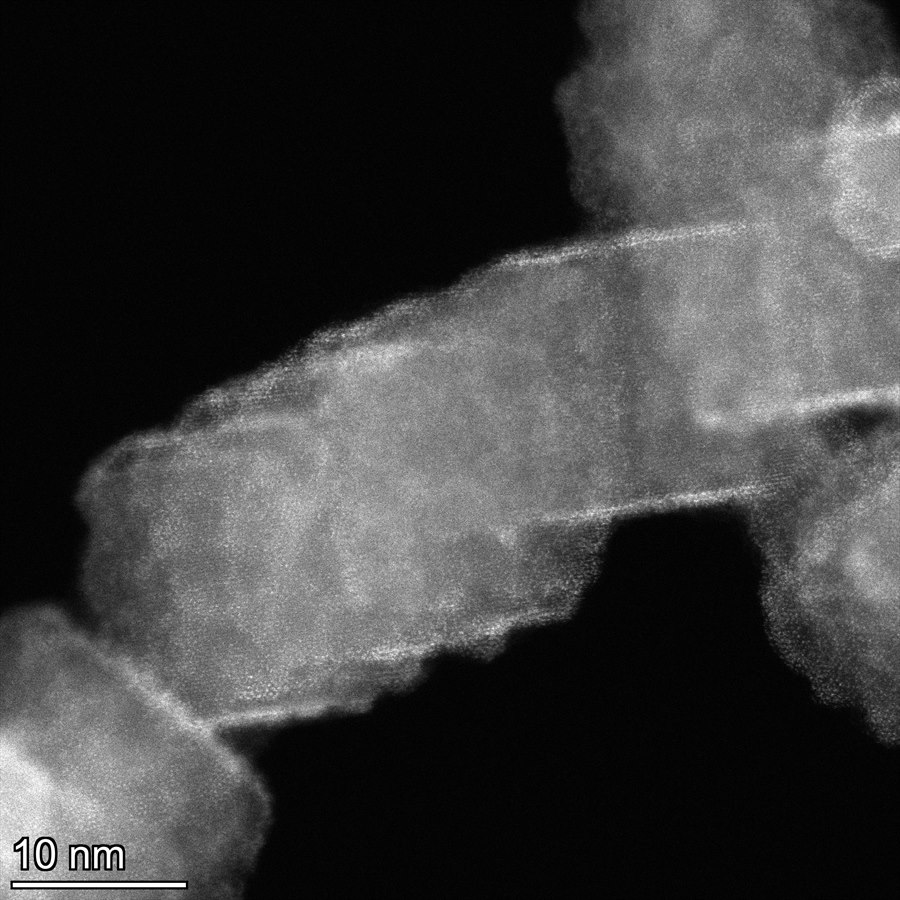
01_stem_cu-zrox_3_new.jpg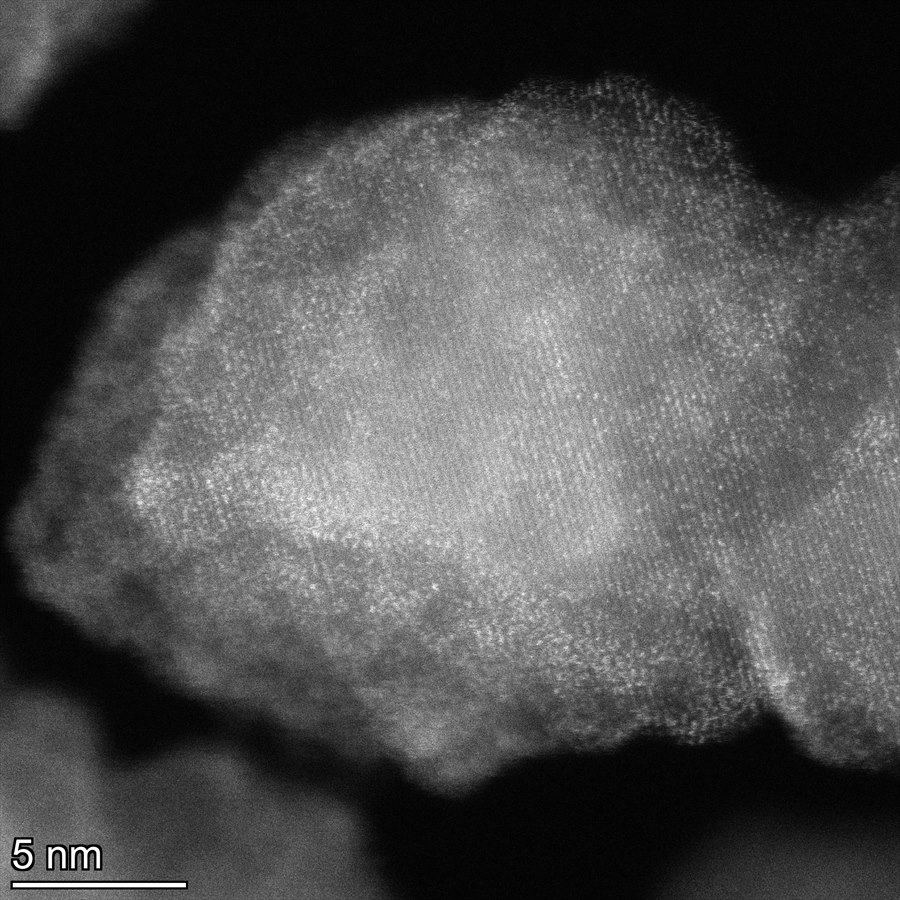
01_stem_ni-mgo-al2o3_new.jpg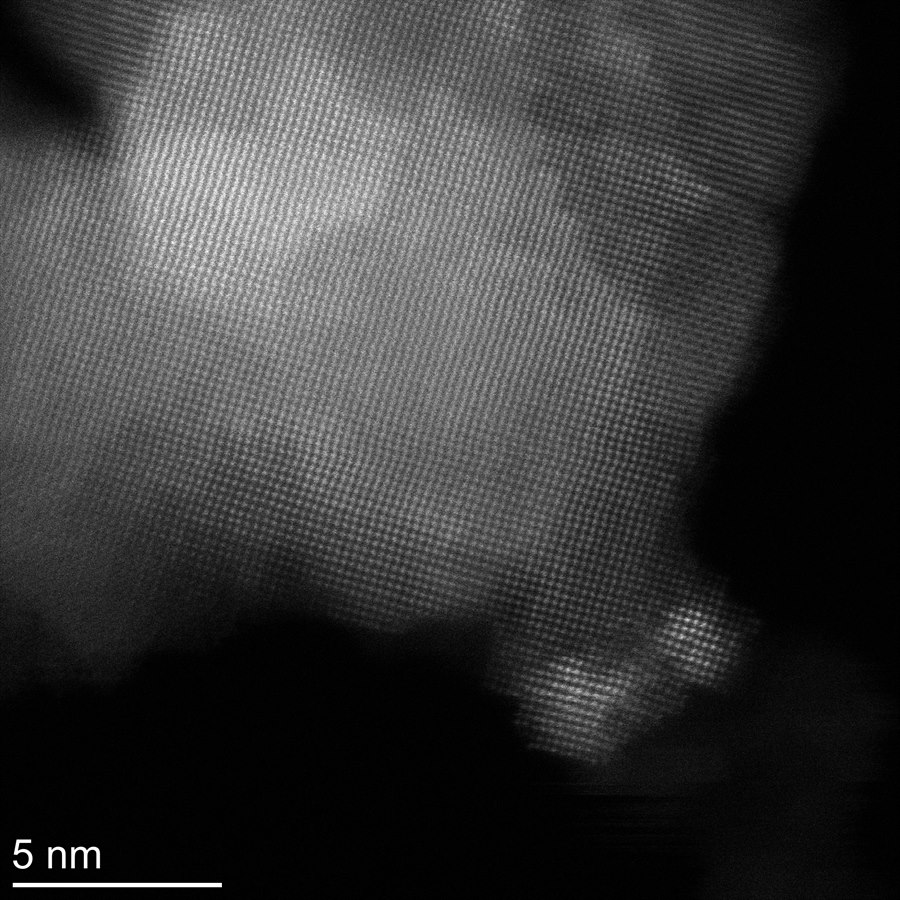
01_eds_ni-mgo-al2o3_new.jpg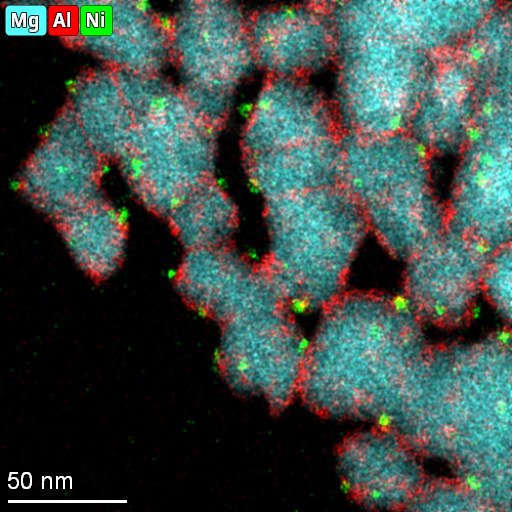
Integrated Adsorption and Catalysis Process
We develop the process integrating adsorption and catalysis, aiming at increasing the productivity and efficiency of processes.
To effectively utilize advanced materials in practical applications, additional factors that may not have been addressed in nano-scale studies must be considered. As part of our efforts to apply materials designed at the nano-scale, we develop advanced methods and processes to integrate them into real-world applications.
- Sorption-enhanced catalytic reaction via Le Chatelier's principle.
- Direct air capture and its conversion.
Research/02_illustration_new.jpg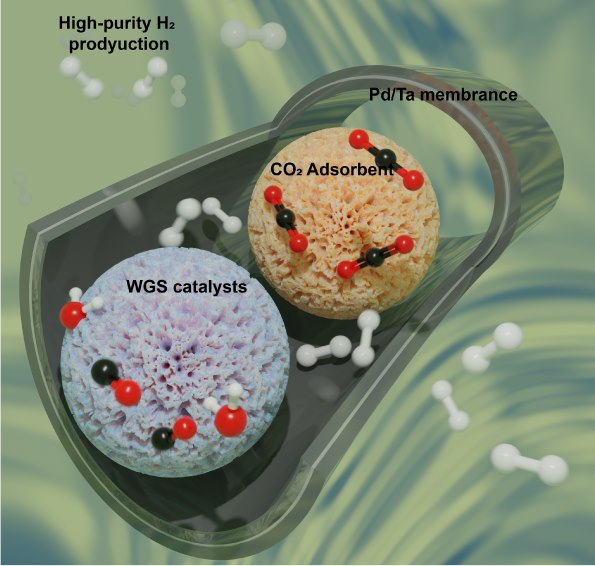
02_bead_before_fib_new.jpg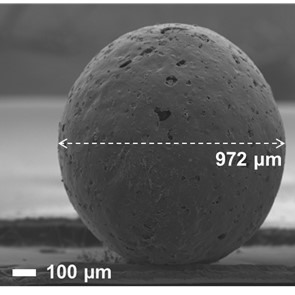
02_sem_sorbent-wgs_new.jpg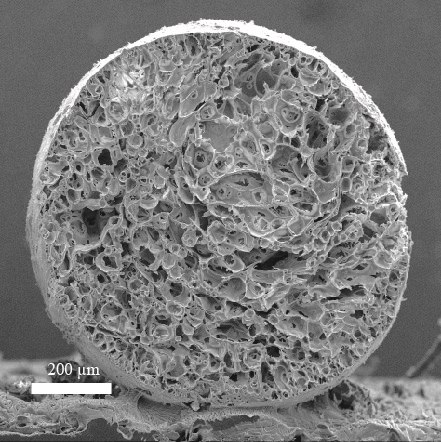
Understanding Surface Phenomena
Identification of structural features and understanding surface or sub-surface phenomena in adsorbents and heterogeneous catalysts
Research/03_banner_new.jpg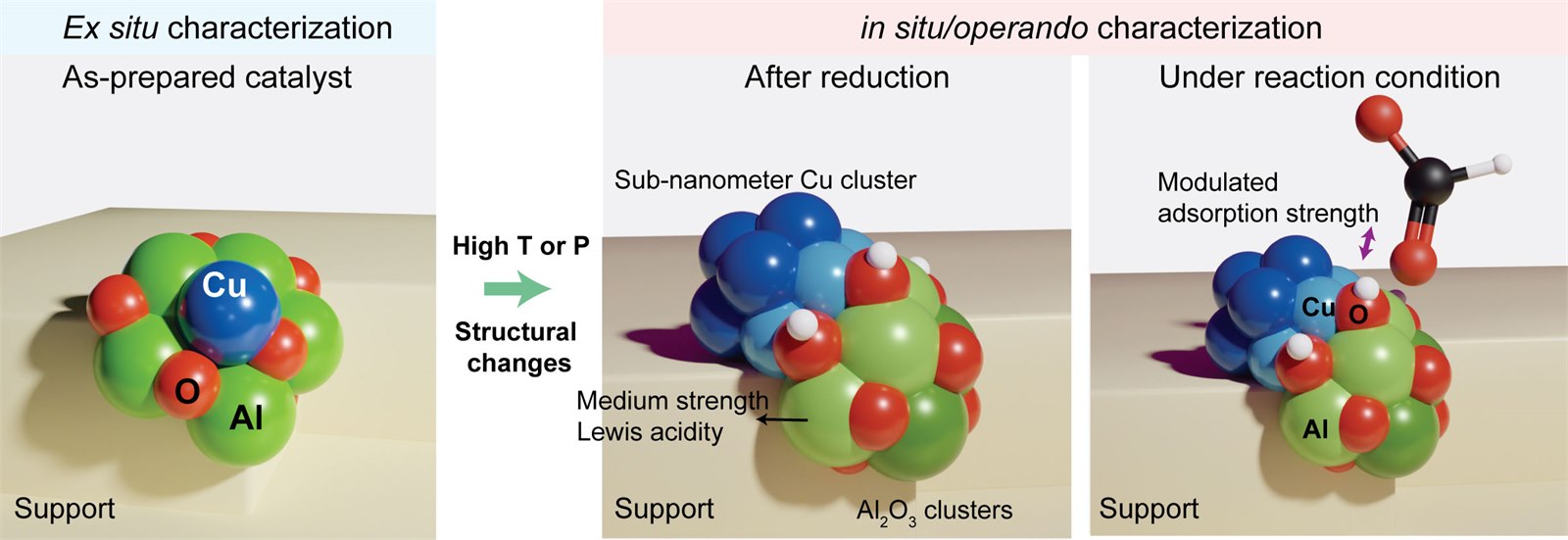
A mechanistic study of adsorption and catalysis is fundamental for the development of advanced materials. To achieve this, we use in situ and operando analyses, which reveal material structures and surface properties under reaction conditions. This identification allows us to understand the structure-activity relationship, providing insights that guide the development of more advanced materials.
Research/03_operando_xas_new.jpg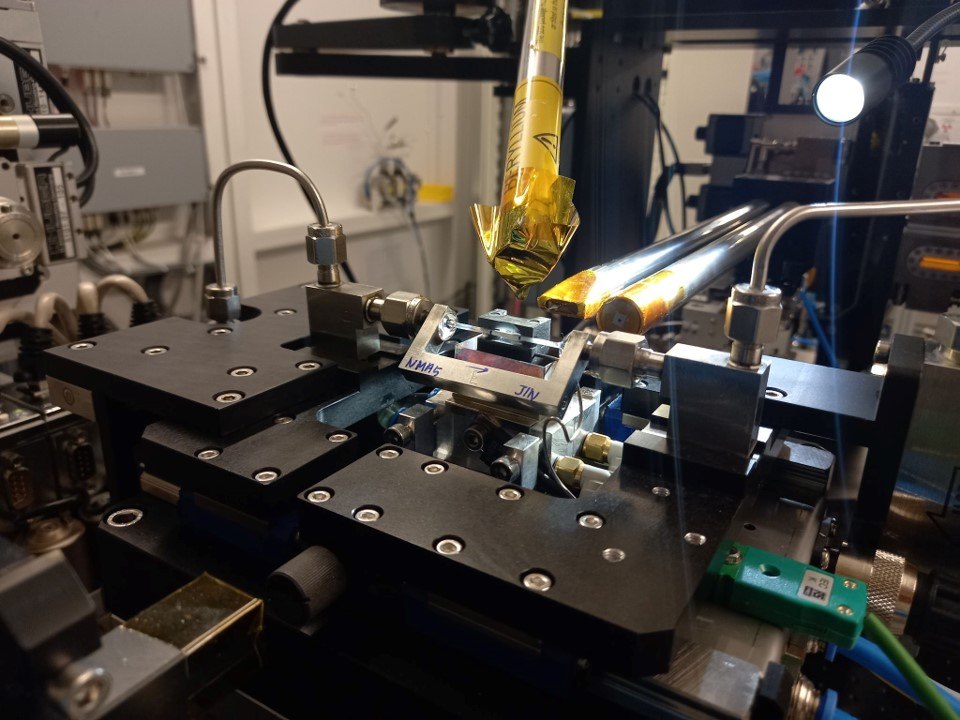
Research/03_ni_structural_change_new.jpg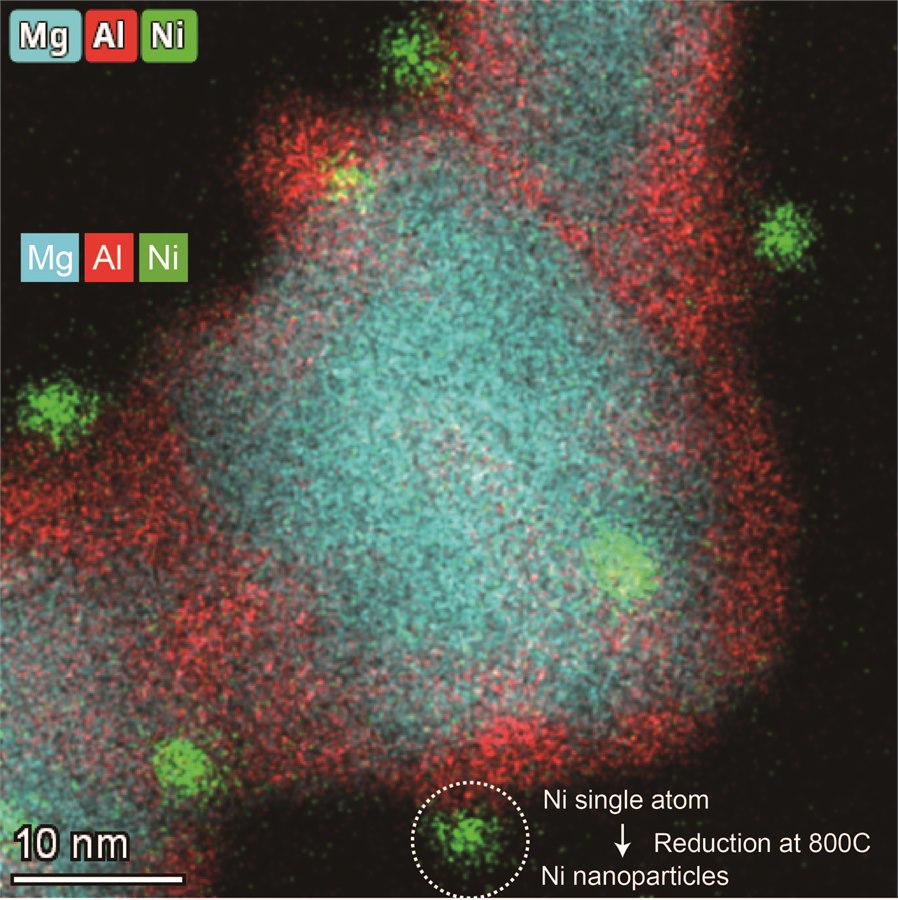
CO₂ Capture & Conversion
Research/co2_dfm_banner_new.jpg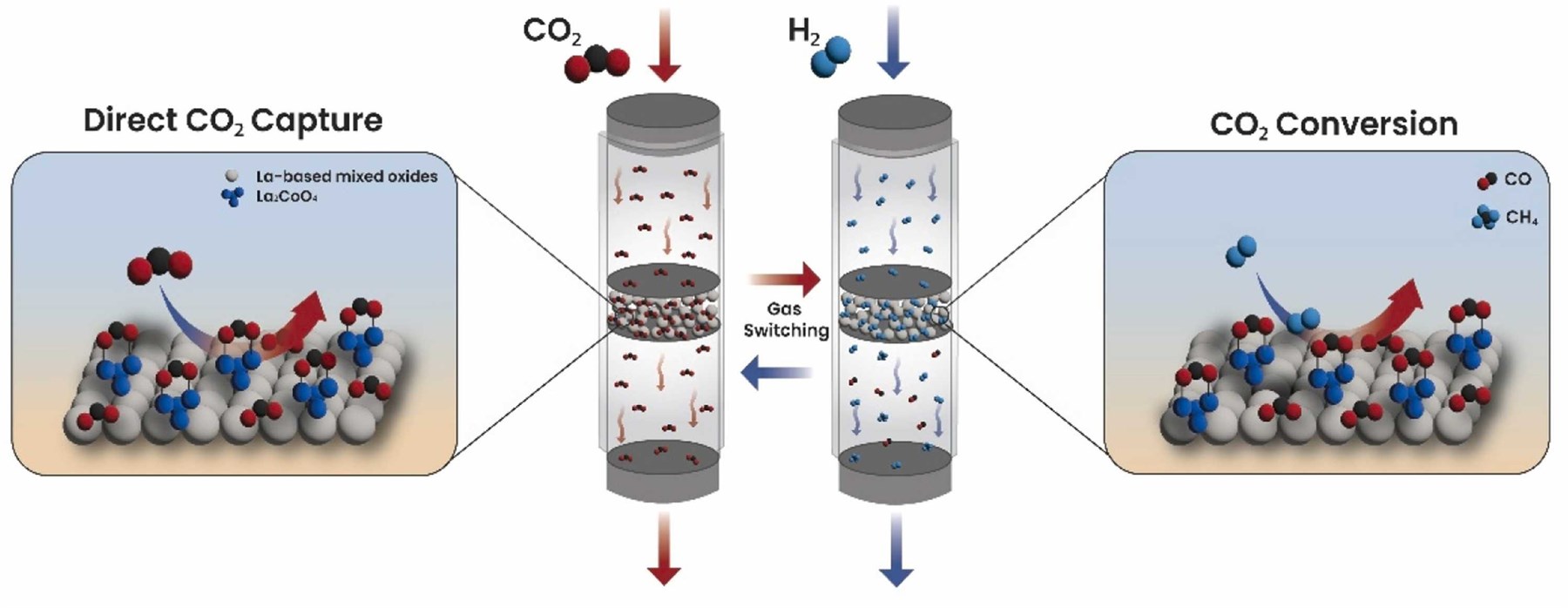
We capture CO₂ from flue gas and directly from air, and convert it into fuels and value-added chemicals. Our interest spans the full chain — sorbent design, the capture step itself, and the catalytic conversion that follows — with a focus on integrating capture and conversion into a single isothermal operation.
Direct air capture (DAC) takes CO₂ straight from ambient air, where it sits at only about 420 ppm — the most dilute source, but the one available anywhere. A dual-function material (DFM) puts the sorbent and the catalyst in a single solid, so the captured CO₂ can be hydrogenated where it stands simply by switching the feed gas, removing the energy penalty of desorbing, compressing, and transporting it.
Both are active research topics in our group: we are developing technology that captures CO₂ from ambient air and converts it on the spot. This is a genuinely hard problem. Capturing CO₂ at a concentration as low as 400 ppm already demands a sorbent that binds it strongly, yet converting that same CO₂ within a single material requires releasing it just as readily to the active site — two requirements that pull in opposite directions and must be balanced within one solid.
Biomass-Derived Fuels & Chemicals
Research/biomass_fuels_chemicals_new.svg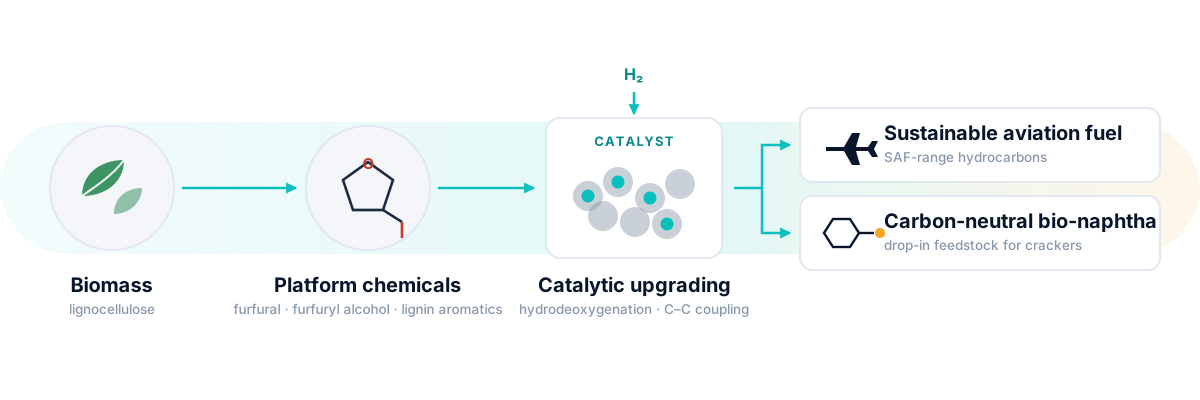
We upgrade platform chemicals obtained from biomass — such as furfural, furfuryl alcohol, and lignin-derived aromatics — into transportation fuels and high-value intermediates. Tailored heterogeneous catalysts steer these reactions towards the desired product, offering a renewable route to chemicals that are currently made from fossil resources.
Demand here is driven by regulation as much as by chemistry. International frameworks — ICAO's CORSIA and the EU's ReFuelEU Aviation among them — oblige airlines to blend a rising share of sustainable aviation fuel (SAF), and comparable pressure is now reaching the chemical industry. We are developing catalytic routes to SAF-range hydrocarbons and to carbon-neutral bio-naphtha, a drop-in feedstock that lets existing crackers make plastics without fossil carbon.
Bio-Chemical Process Integration
Research/bio_chemical_integration_new.svg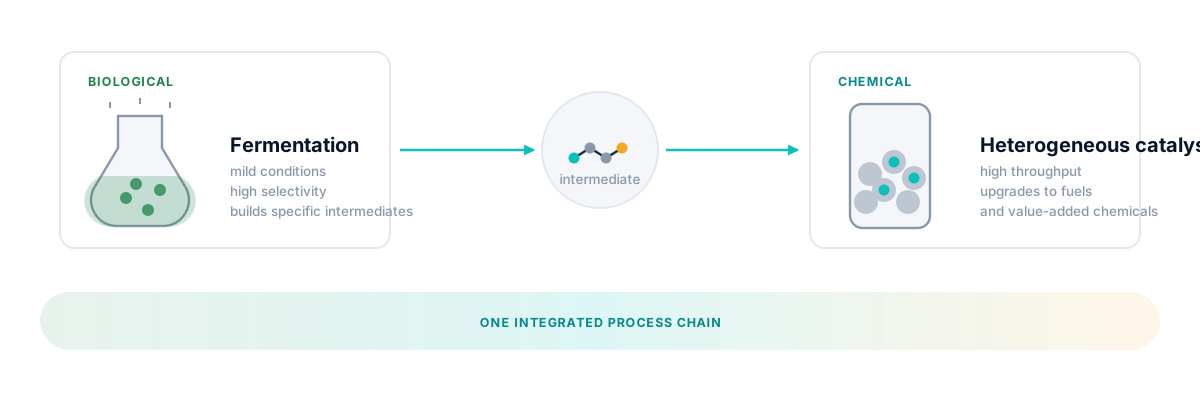
We connect biological and chemical conversion into one process chain. Biological steps excel at building specific intermediates under mild conditions, while heterogeneous catalysis efficiently upgrades them further. By designing the two to work together — matching reaction conditions, streams, and separation steps — we aim at conversion routes that neither approach could reach on its own.